Residential Mirror Installation Services in Miami, Fort Lauderdale, & West Palm Beach, FL Homes
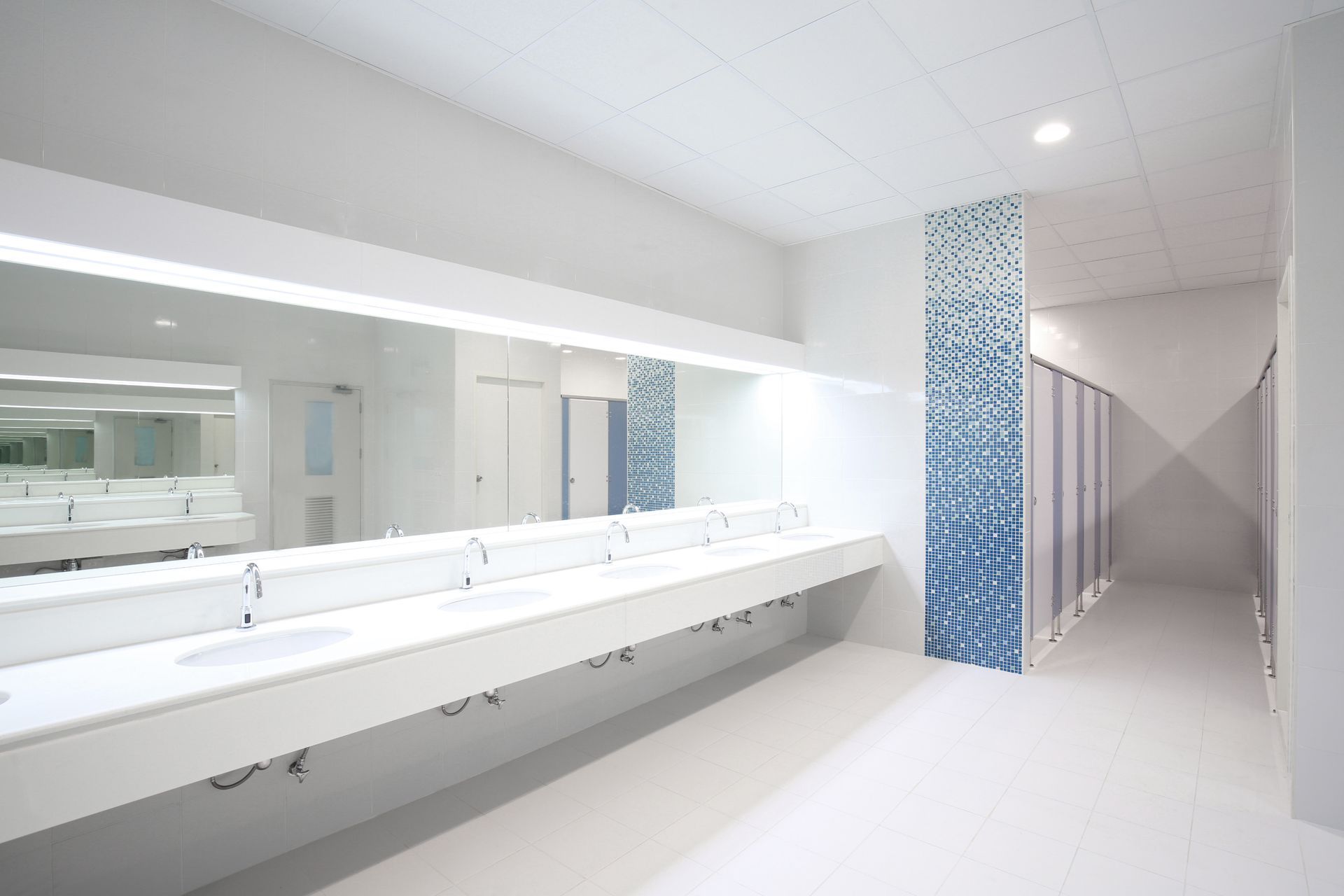
Residential mirror installation involves the precise fitting and secure mounting of mirrors within interior home spaces such as bathrooms, bedrooms, hallways, closets, and living areas. In Miami, Fort Lauderdale, & West Palm Beach, FL, these installations are commonly used in both new home construction and renovation projects where interior design, lighting enhancement, and functional reflection are part of the household layout.
Unlike lightweight décor, residential mirrors require proper structural support due to their weight and fragility. Installation must account for wall composition, moisture exposure, and long-term adhesion performance to ensure that the mirror remains safely secured over time. In many Miami, Fort Lauderdale, & West Palm Beach, FL homes, mirrors are integrated into bathroom vanities, wardrobe doors, and feature walls where both utility and aesthetics are important.
Residential mirror installations vary in size from small bathroom mirrors to full wall-to-wall reflective surfaces in dressing areas or home gyms. Each installation is planned based on available wall space, lighting conditions, and structural backing behind the wall surface.
Types of Residential Mirror Installations in Miami, Fort Lauderdale, & West Palm Beach, FL
Residential mirror installations in Miami, Fort Lauderdale, & West Palm Beach, FL are designed in several formats depending on room function, wall structure, and homeowner design preferences.
Bathroom Mirror Installations
Bathroom mirror installations are among the most common residential applications. These mirrors are typically mounted above vanities and sinks, requiring precise alignment with plumbing fixtures, lighting systems, and cabinetry. Moisture-resistant materials and sealing techniques are often used to protect the mirror backing from humidity exposure common in bathroom environments.
In some cases, bathroom mirrors are installed as wall-to-wall panels above double vanities, requiring exact measurement and leveling to ensure consistent alignment across long horizontal spans.
Bedroom and Dressing Area Mirrors
Bedroom mirror installations are commonly used in dressing areas, walk-in closets, and wardrobe spaces. These mirrors may be full-length wall-mounted panels or integrated into closet doors and sliding systems. The installation process focuses on ensuring secure mounting into wall studs or reinforced backing to support larger mirror sizes.
In dressing areas, mirrors are often positioned to optimize natural and artificial lighting, improving visibility and creating a balanced reflection environment for daily use.
Hallway and Entryway Mirrors
Hallway and entryway mirrors are installed to enhance interior lighting and create a sense of expanded space in narrow residential areas. These mirrors are often vertically oriented and mounted at eye level or slightly higher depending on wall height and surrounding décor.
Installation in these areas requires careful alignment with surrounding architectural elements such as doors, trim, and lighting fixtures to maintain visual balance within the space.
Mirror Materials and Types Used in Residential Homes
Residential mirror installations in Miami, Fort Lauderdale, & West Palm Beach, FLutilize different types of mirror materials based on location, humidity exposure, and design requirements.
Standard Silvered Glass Mirrors
Standard mirrors consist of glass coated with a reflective silver backing layer. These are widely used in bathrooms, bedrooms, and general living spaces due to their clear reflection quality and versatility in residential design.
Moisture-Resistant Bathroom Mirrors
Moisture-resistant mirrors are designed with protective backing layers that reduce the impact of humidity and condensation. These are essential in bathroom environments where steam and water exposure are frequent and can affect standard mirror longevity.
Safety Backed Residential Mirrors
Safety-backed mirrors include a protective film applied to the rear surface that helps hold the glass together if it breaks. This type of mirror is commonly used in households with children or in areas where added safety considerations are required, such as home gyms or large wall installations.
Framed and Frameless Residential Mirrors
Framed mirrors include decorative edging made from wood, metal, or composite materials that match interior design styles. Frameless mirrors use polished edges and rely on concealed mounting systems to create a clean, modern appearance that blends seamlessly into residential interiors.
Residential Mirror Installation Process in Miami Gardens, FL
The residential mirror installation process begins with an assessment of the wall structure, room layout, and intended mirror placement. Accurate measurements are taken to ensure the mirror fits the designated space and aligns properly with surrounding fixtures.
Once measurements are confirmed, the wall surface is prepared by cleaning and identifying structural support points such as studs or reinforced backing. This step is essential to ensure the mirror is securely anchored, especially for larger installations.
Depending on the installation type, mirrors are mounted using adhesive bonding systems, mechanical brackets, or hidden clip systems. Adhesive installations require proper surface preparation to ensure strong bonding, while bracket systems rely on precise anchoring into structural wall components.
The mirror is then carefully positioned and leveled to ensure proper alignment. Temporary support may be used for larger mirrors until adhesives cure or mounting hardware is fully secured.
Final adjustments are made to ensure the mirror sits flush against the wall and aligns with surrounding architectural features such as cabinetry, lighting fixtures, or tile patterns.
Structural and Safety Considerations in Residential Installations
Residential mirror installation in Miami, Fort Lauderdale, & West Palm Beach, FL must take into account wall structure, load-bearing capacity, and environmental exposure to ensure safe and long-lasting performance.
Wall types such as drywall, concrete, tile, or wood framing require different mounting techniques. Proper anchoring into studs or solid backing is critical for heavier mirrors to prevent shifting or detachment over time.
In bathrooms and humid areas, moisture-resistant adhesives and sealed edges are used to prevent damage to the reflective backing layer. This helps extend the lifespan of the mirror in environments where condensation and steam are common.
Safety considerations are also important in residential settings where mirrors are installed in high-traffic areas or large wall sections. Proper installation methods help reduce the risk of movement or breakage caused by household activity or structural settling.
Maintenance and Care for Residential Mirrors
After installation, residential mirrors require routine maintenance to preserve clarity, stability, and visual appearance in Miami, Fort Lauderdale, & West Palm Beach, FL homes.
Mirror surfaces should be cleaned regularly using non-abrasive glass cleaners and soft cloths to avoid scratching and maintain a clear reflective finish. Regular cleaning helps remove fingerprints, dust, and moisture buildup common in household environments.
Mounted mirrors should be periodically checked to ensure that adhesives, brackets, or mounting clips remain secure. This is especially important for larger mirrors or those installed in bathrooms where humidity may affect long-term adhesion performance.
Edge seals in bathroom mirrors should also be monitored for wear or separation to prevent moisture intrusion into the reflective backing layer. Maintaining these seals helps ensure long-term durability and consistent visual quality.
With proper installation techniques and routine care, residential mirror systems remain a functional and decorative feature in homes throughout Miami, Fort Lauderdale, & West Palm Beach, FL, enhancing both interior brightness and spatial perception.