Residential Glass Railing Applications in Miami, Fort Lauderdale, & West Palm Beach, FL
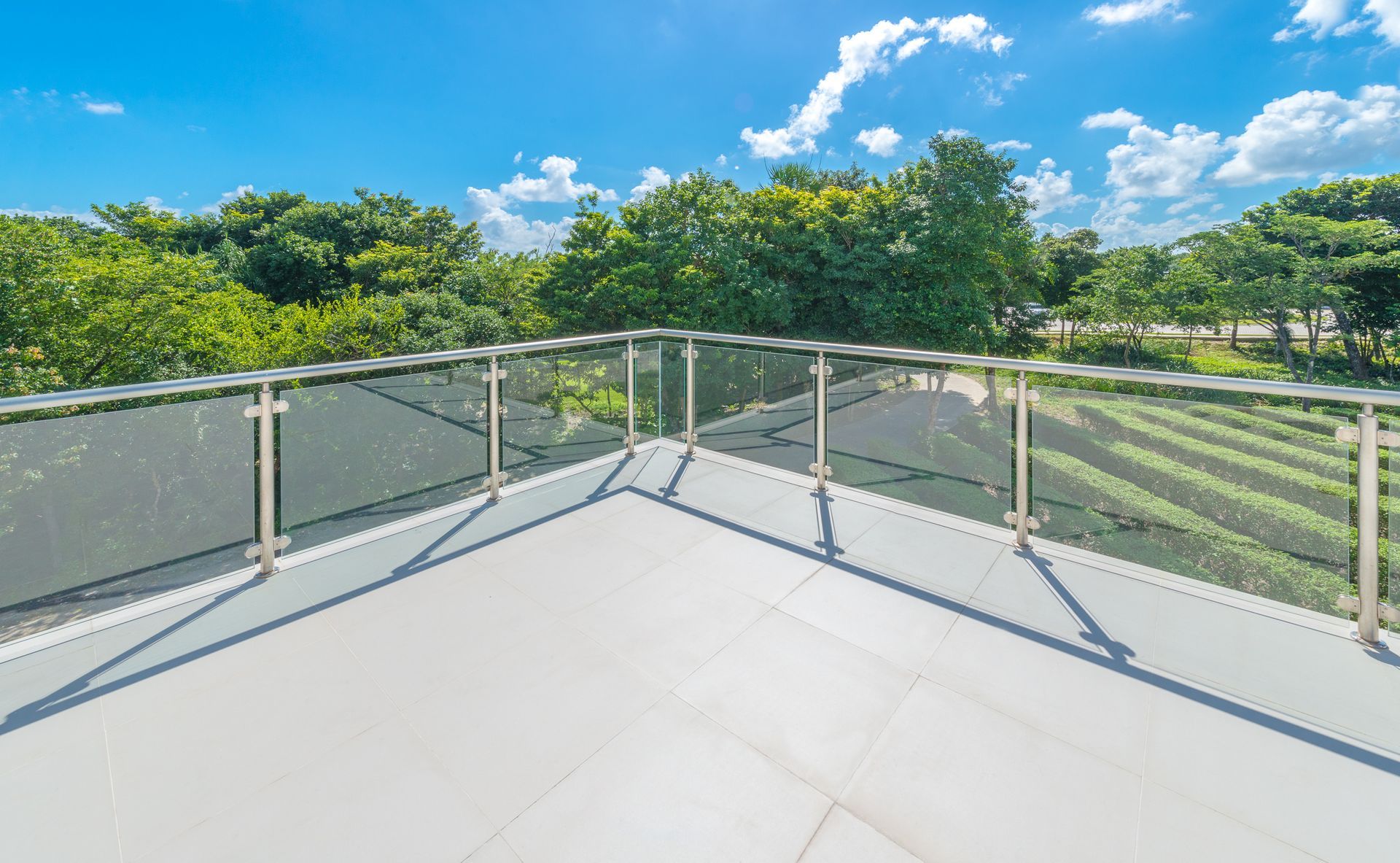
Residential glass railings are structural safety systems installed in homes to provide fall protection while maintaining open visibility between levels, staircases, balconies, and terraces. In Miami, Fort Lauderdale, & West Palm Beach, FL , these systems are commonly integrated into modern and renovated residential properties where interior openness and exterior sightlines are part of the architectural layout.
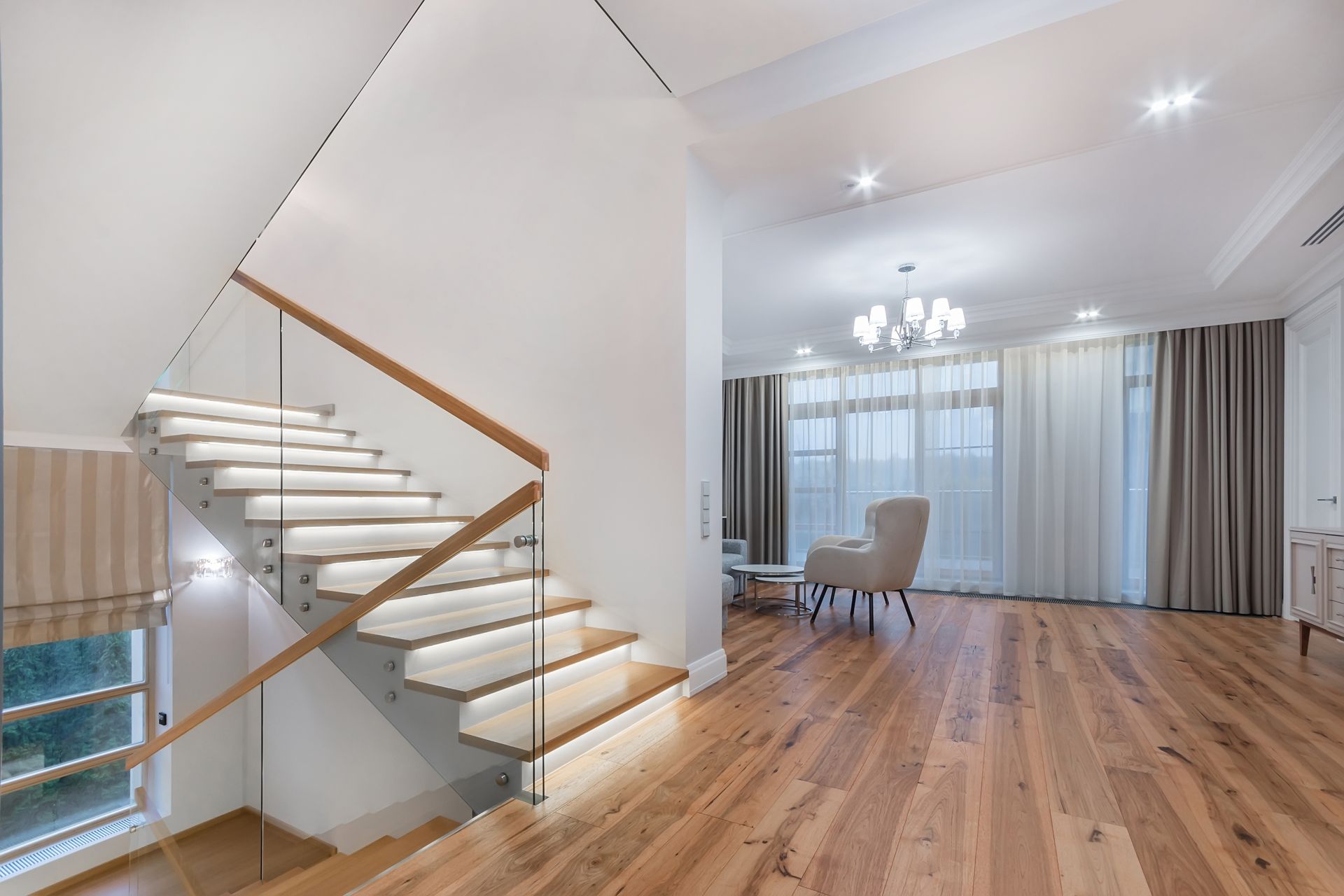
In single-family homes, glass railings are typically used in stairwells connecting multiple floors, mezzanine edges overlooking living spaces, and second-story balconies facing outdoor areas. These systems are designed to maintain safety requirements while minimizing visual obstruction, allowing natural light to pass through interior spaces without interruption.
Exterior residential applications often include balcony edges, rooftop terraces, and pool-adjacent platforms where environmental exposure requires durable glass and corrosion-resistant structural hardware. The installation approach varies depending on whether the railing is mounted on concrete slabs, wood framing, or steel-supported structures.
Structural Configurations for Residential Glass Railings
Residential glass railing systems in Miami, Fort Lauderdale, & West Palm Beach, FL are designed in multiple structural configurations depending on architectural requirements, load distribution, and mounting conditions within the home.
Frameless Residential Glass Railings
Frameless systems use a continuous base channel or recessed track installed directly into the floor structure. The glass panels are secured from the bottom, creating a seamless vertical surface without visible posts. This configuration is often used in interior staircases and upper-floor balconies where homeowners prefer uninterrupted visual flow between spaces.
Post-Connected Glass Railing Systems
Post-connected systems utilize vertical aluminum or stainless steel posts anchored into concrete or structural framing. Glass panels are secured using clamps or compression fittings attached to these posts. This configuration is often selected for residential properties where additional reinforcement is required due to elevated wind exposure or structural transitions between indoor and outdoor spaces.
Side-Mounted Glass Railings
Side-mounted systems attach glass panels to the edge of a structural slab or stair stringer using standoff brackets or linear mounting tracks. This method keeps the walking surface clear while maintaining structural stability along the perimeter. In residential staircases, this design is frequently used to achieve a floating visual effect while maintaining code-compliant barrier protection.
Glass and Hardware Materials Used in Residential Installations
Residential glass railings rely on engineered glass products and structural hardware designed for safety, durability, and environmental resistance. In Miami, Fort Lauderdale, & West Palm Beach, FL , material selection is especially important due to humidity levels, salt exposure, and seasonal weather conditions.
Tempered Safety Glass Panels
Tempered glass is commonly used in residential railing systems because it undergoes a thermal strengthening process that increases its impact resistance. If broken, it fractures into small granular pieces rather than sharp shards, reducing injury risk within household environments.
Laminated Glass Construction
Laminated glass is composed of multiple glass layers bonded with an interlayer material that holds the panel together even if cracked. In residential settings, this type of glass is often used for balconies and staircases where additional safety retention is required.
Stainless Steel and Aluminum Support Systems
Support hardware such as base channels, brackets, and clamps is typically manufactured from stainless steel or powder-coated aluminum. These materials resist corrosion and provide structural stability in both interior humidity conditions and exterior exposure typical of Miami, Fort Lauderdale, & West Palm Beach, FL residential properties.
Sealants and Structural Anchoring Materials
Silicone-based sealants and mechanical anchoring systems are used to secure and stabilize railing components. These materials ensure that glass panels remain fixed in place while allowing for minor structural movement caused by temperature changes and building settlement over time.
Installation Process for Residential Glass Railings
The installation of residential glass railings involves structural assessment, precise measurement, and careful alignment of both glass and hardware components to match the layout of the home.
The process begins with evaluation of the installation surface, whether it is concrete, wood framing, or steel structure. Measurements are taken to determine panel dimensions, spacing requirements, and anchoring points along staircases, balconies, or open interior edges.
Base channels or mounting hardware are then secured to the structural surface using mechanical fasteners or embedded anchors. These components must be installed with exact leveling to ensure that glass panels remain aligned throughout the full length of the railing system.
Once the structural base is in place, glass panels are positioned using lifting equipment and carefully inserted into the mounting system. Depending on the configuration, rubber gaskets, compression fittings, or epoxy compounds may be used to secure each panel within the channel or bracket system.
Final alignment adjustments are performed to ensure consistent spacing and vertical balance across all panels. This step is particularly important in stair applications where angle transitions must match the slope of the staircase without distortion or uneven spacing.
Residential Building Code and Safety Requirements in Miami, Fort Lauderdale, & West Palm Beach, FL
Residential glass railings installed in Miami, Fort Lauderdale, & West Palm Beach, FL must comply with Florida Building Code requirements governing guardrail height, load resistance, and impact safety. These regulations are designed to ensure structural stability in both interior and exterior residential environments.
For elevated areas such as second-floor balconies and stair openings, railing systems must meet minimum height requirements to prevent fall hazards. Glass thickness and support spacing are engineered based on calculated live loads and expected occupant use conditions.
Exterior residential installations must also account for wind pressure exposure, especially in coastal regions of South Florida. Structural anchoring systems are designed to resist lateral movement and maintain panel integrity during strong wind events.
In staircases, glass railings must be properly aligned with tread rise and run configurations to ensure consistent barrier coverage along angled surfaces. Structural attachments must remain secure under repeated use and long-term household movement conditions.
Maintenance and Long-Term Performance in Residential Settings
Residential glass railings require ongoing maintenance to preserve clarity, structural stability, and hardware performance. In Miami, Fort Lauderdale, & West Palm Beach, FL , environmental exposure such as humidity and airborne salt can influence surface conditions over time.
Glass surfaces are typically cleaned using non-abrasive cleaning solutions to remove fingerprints, dust, and mineral deposits. Regular cleaning helps maintain transparency and prevents long-term surface buildup that can reduce visibility.
Hardware components such as clamps, base channels, and standoff fittings are periodically inspected to ensure fasteners remain secure and free from corrosion. Stainless steel and aluminum components are designed for long-term durability but still benefit from routine residential inspections.
Sealant joints are also monitored for wear or separation, especially in exterior balcony installations where rain and moisture exposure is frequent. Maintaining these joints helps preserve structural sealing and prevents water intrusion into anchoring systems.
With proper installation and ongoing care, residential glass railing systems maintain both structural integrity and visual consistency, becoming a long-term architectural feature in homes throughout Miami, Fort Lauderdale, & West Palm Beach, FL