Exterior Glass Railing Systems in Miami, Fort Lauderdale, & West Palm Beach, FL Coastal Environments
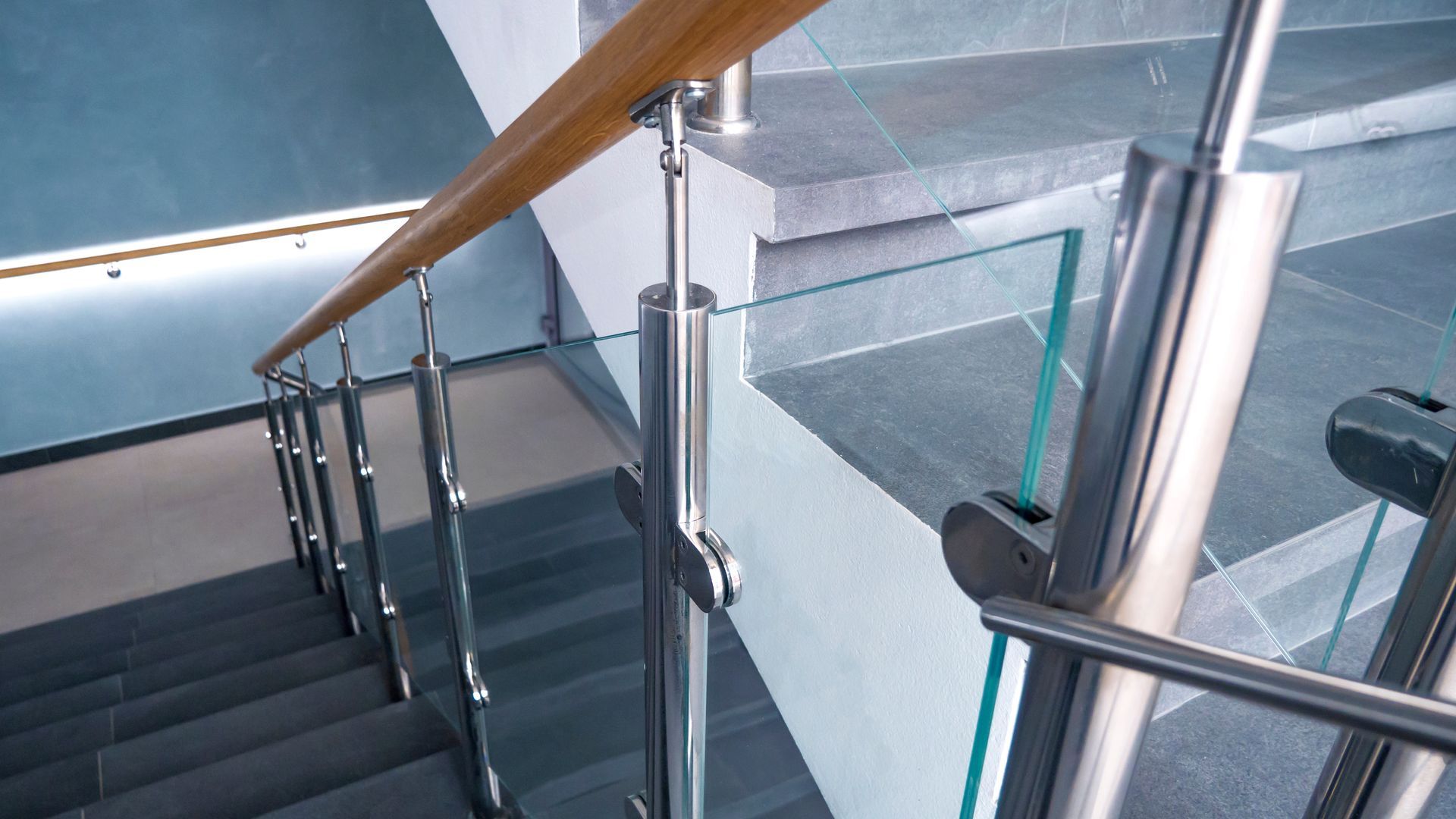
Exterior glass railings are structural barrier systems installed on outdoor edges such as balconies, terraces, rooftops, decks, and elevated walkways. In Miami, Fort Lauderdale, & West Palm Beach, FL, these systems are commonly used in residential and commercial properties where open views, modern architectural design, and compliance with safety codes are required in outdoor environments.
These systems are designed to function under continuous exposure to weather conditions, including heavy rainfall, humidity, wind loads, and salt-air influence from nearby coastal zones. Exterior glass railings provide fall protection while maintaining visibility across outdoor spaces, allowing unobstructed views of surrounding landscapes, streetscapes, or pool areas.
In residential properties, exterior glass railings are often installed on second-story balconies, backyard terraces, and rooftop lounge areas. In commercial buildings, they are used on hotel balconies, restaurant patios, office terraces, and multi-level outdoor walkways where durability and appearance must work together under high-use conditions.
Structural Systems for Exterior Glass Railings
Exterior glass railing systems in Miami, Fort Lauderdale, & West Palm Beach, FL are engineered in multiple structural configurations based on wind exposure, building height, and anchoring surface conditions.
Frameless Exterior Glass Railings
Frameless systems use heavy-duty base channels or embedded track systems anchored directly into concrete slabs or reinforced structural edges. The glass panels are secured at the base without visible vertical posts, creating a continuous transparent barrier. This configuration is often selected for high-end residential balconies and modern commercial terraces where uninterrupted views are prioritized.
Post-Supported Exterior Glass Railings
Post-supported systems use vertical stainless steel or aluminum posts anchored into the structural deck or balcony slab. Glass panels are attached using clamps or bracket systems mounted on these posts. This configuration provides additional reinforcement and is commonly used in locations exposed to higher wind loads or elevated building heights.
Side-Mounted Exterior Glass Railings
Side-mounted systems attach glass panels to the edge of a structural slab or beam using standoff brackets or linear mounting tracks. This design keeps the walking surface fully clear while maintaining a secure perimeter barrier. It is frequently used in rooftop installations and architectural balconies where space efficiency and clean edges are important.
Materials Used in Exterior Glass Railings
Exterior glass railings require materials specifically engineered to withstand environmental exposure and long-term structural stress in Miami, Fort Lauderdale, & West Palm Beach, FL
Tempered Safety Glass Panels
Tempered glass is widely used in exterior applications due to its high impact resistance and controlled breakage pattern. It is manufactured through a heat-treatment process that increases strength and ensures that, if broken, it disintegrates into small granular pieces instead of sharp shards.
Laminated Structural Glass
Laminated glass consists of multiple bonded layers held together by a strong interlayer material. This construction keeps the panel intact even if the glass cracks, making it suitable for elevated balconies, rooftops, and high-traffic outdoor spaces where additional safety retention is required.
Marine-Grade Stainless Steel Hardware
Exterior systems in Miami, Fort Lauderdale, & West Palm Beach, FL often use marine-grade stainless steel hardware to resist corrosion caused by humidity, rain exposure, and salt-laden air. Components such as base shoes, clamps, and standoff fittings are selected for long-term durability in outdoor environments.
Structural Base Channels and Anchoring Systems
Base channels and anchoring systems are designed to distribute load forces evenly across concrete or steel substrates. These components are mechanically fastened or embedded into structural surfaces and are engineered to resist wind uplift and lateral pressure common in exterior installations.
Installation Process for Exterior Glass Railings
The installation of exterior glass railings involves structural preparation, precise leveling, and weather-resistant sealing to ensure long-term performance in outdoor conditions.
The process begins with evaluating the installation site, including balcony edges, rooftop perimeters, or deck boundaries. Structural assessments are performed to confirm load-bearing capacity and anchoring suitability for the chosen railing system.
Once the layout is confirmed, base channels or mounting hardware are installed and secured into the structural surface using mechanical anchors or embedded fasteners. These components must be carefully leveled to ensure consistent alignment across the full span of the railing system.
Glass panels are then lifted into position using specialized equipment and inserted into the mounting system. Depending on the system type, rubber gaskets, compression fittings, or structural sealants are used to secure the panels and provide vibration resistance under wind exposure.
Final adjustments ensure uniform spacing, vertical alignment, and proper anchoring tension across all panels. For exterior applications, silicone sealing is often applied at connection points to reduce water intrusion and improve long-term durability under Miami Gardens’ rainfall conditions.
Building Code and Wind Load Requirements in Miami Gardens, FL
Exterior glass railing systems in Miami Gardens, FL must comply with Florida Building Code regulations that govern wind resistance, impact safety, and fall protection for elevated structures.
Due to South Florida’s hurricane-prone climate, exterior railings must be engineered to withstand significant wind pressure without deflection or structural failure. Glass thickness, anchoring depth, and hardware spacing are determined through engineering calculations based on building height and exposure level.
Railing height requirements must also be met to ensure fall protection for balconies, rooftops, and elevated decks. These specifications vary depending on occupancy type and structural use, particularly in residential versus commercial buildings.
Impact resistance is another key requirement, ensuring that glass panels maintain integrity under accidental force or debris exposure during extreme weather conditions. Laminated glass systems are often used in higher-risk exterior applications for added safety retention.
Maintenance and Long-Term Performance of Exterior Glass Railings
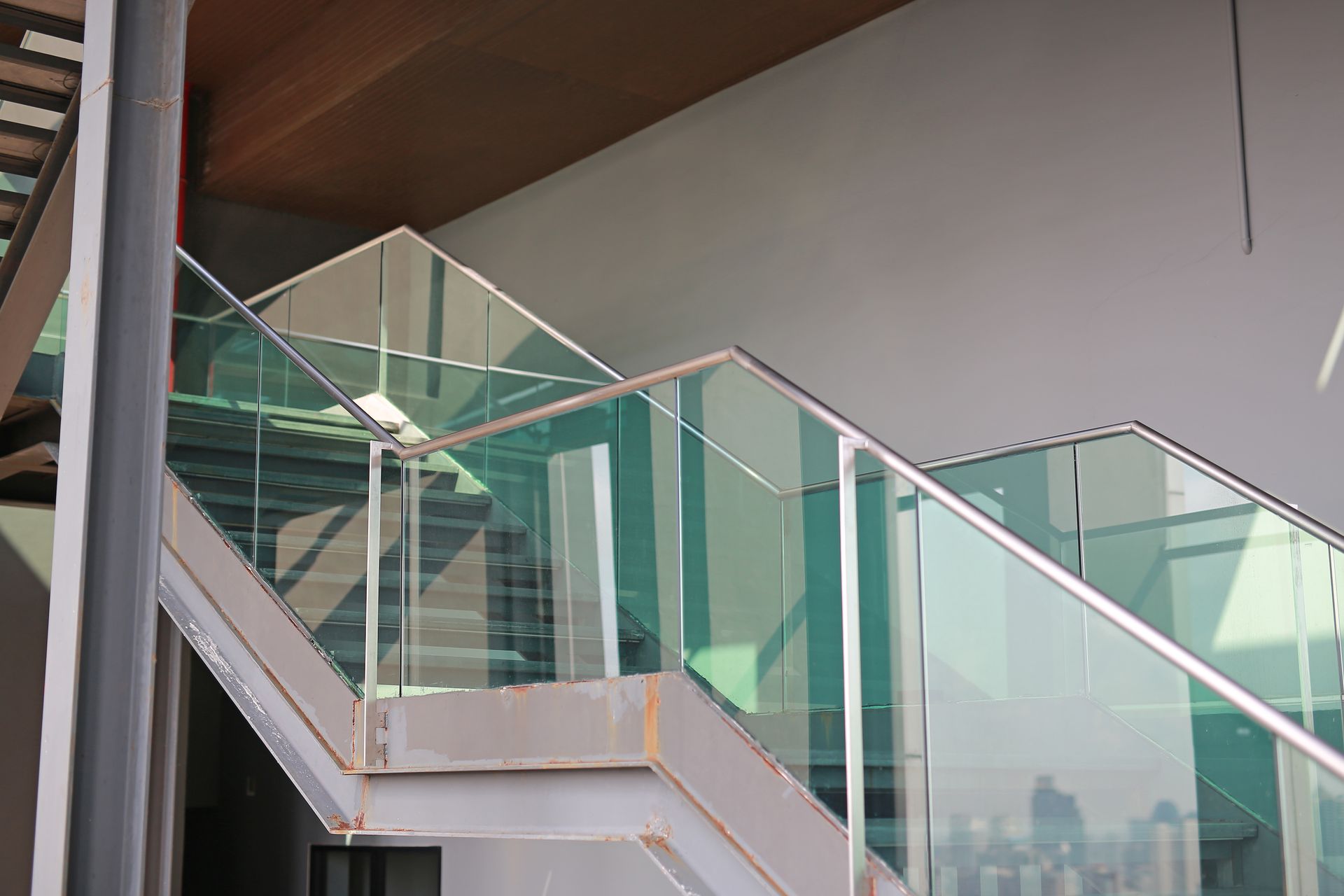
Exterior glass railings require ongoing maintenance to ensure clarity, structural integrity, and corrosion resistance in Miami Gardens, FL’s coastal-influenced climate.
Glass panels are cleaned using non-abrasive solutions to remove water spots, salt residue, and environmental buildup caused by rain and airborne particles. Regular cleaning helps preserve transparency and prevents long-term surface etching.
Hardware components such as clamps, posts, and base channels are periodically inspected for corrosion, loosening, or wear. Marine-grade stainless steel is designed for durability but still benefits from routine inspection in humid and coastal environments.
Sealant joints are also monitored to ensure they remain intact and watertight. Maintaining these seals helps prevent moisture intrusion into structural anchoring systems and supports long-term system stability.
With proper installation and consistent maintenance, exterior glass railing systems remain structurally sound and visually clear, providing durable outdoor safety barriers for residential and commercial properties throughout Miami Gardens, FL.