Commercial Glass Railing Systems in Miami, Fort Lauderdale, & West Palm Beach, FL Buildings
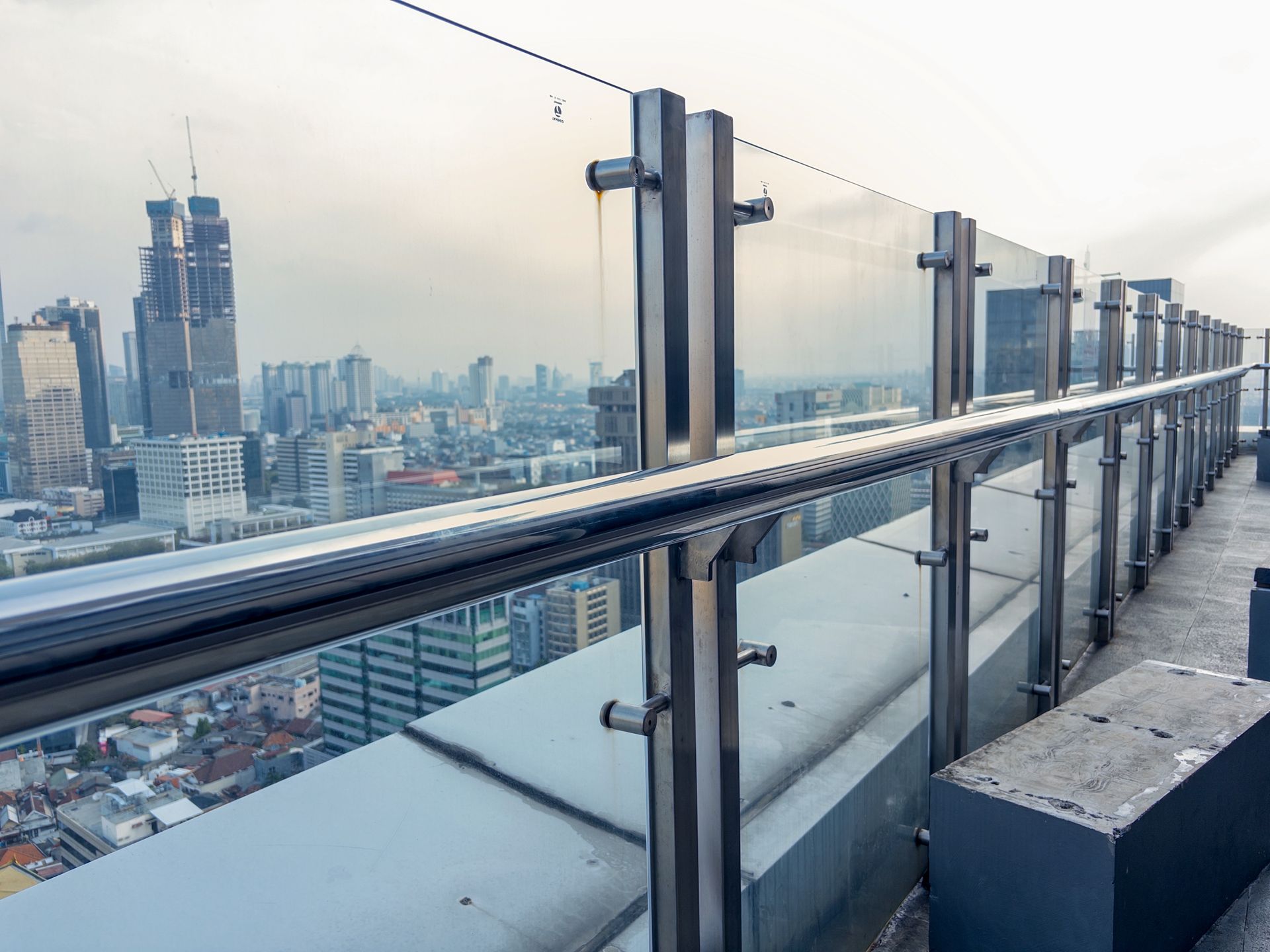
Commercial glass railings are engineered safety barrier systems installed in business environments such as office buildings, retail centers, hospitality venues, and mixed-use developments. In Miami, Fort Lauderdale, & West Palm Beach, FL , these systems are used to meet structural safety requirements while maintaining a modern architectural appearance that supports open interior layouts and visibility across multiple levels.
These railing systems are typically installed in high-traffic areas such as lobbies, mezzanines, escalators, staircases, and elevated walkways. Their primary function is to provide fall protection while maintaining visual transparency throughout commercial interiors and exterior spaces. The design approach varies depending on building usage, occupancy load, and structural conditions of the installation site.
In commercial environments, glass railings are often integrated into architectural designs that emphasize natural lighting, spatial continuity, and contemporary finishes. The use of glass allows businesses in Miami, Fort Lauderdale, & West Palm Beach, FL to maintain clear sightlines across floors and customer-facing areas without the visual obstruction of traditional railing materials.
Structural Types of Commercial Glass Railings
Commercial glass railing systems are designed in several structural formats based on load requirements, building codes, and architectural specifications. Each system is engineered for durability and long-term performance under continuous public use conditions.
Frameless Commercial Glass Railings
Frameless systems use heavy-duty base channels or embedded track systems anchored into concrete slabs or steel structures. The glass panels are installed without vertical posts, creating a continuous transparent barrier. This configuration is often used in corporate offices and commercial atriums where uninterrupted visibility and modern aesthetics are required.
Post-Supported Glass Railing Systems
Post-supported systems utilize vertical stainless steel or aluminum posts anchored into structural flooring. Glass panels are secured using mechanical clamps or bracket systems attached to these posts. This configuration is commonly selected for commercial properties that require enhanced structural reinforcement due to higher foot traffic and load demands.
Side-Fixed Glass Railing Systems
Side-fixed systems attach glass panels to the edge of structural elements such as slabs, stair stringers, or mezzanine beams. This method reduces obstruction on walking surfaces while maintaining full barrier coverage. It is frequently used in commercial staircases and elevated walkways where floor space optimization is important.
Materials Used in Commercial Glass Railings
Commercial glass railing systems rely on high-performance materials designed to withstand continuous use, environmental exposure, and regulatory compliance requirements in Miami, Fort Lauderdale, & West Palm Beach, FL
Tempered Safety Glass Panels
Tempered glass is commonly used in commercial installations due to its enhanced strength and controlled breakage pattern. It is manufactured through thermal treatment that increases resistance to impact and mechanical stress, making it suitable for high-traffic environments.
Laminated Structural Glass
Laminated glass consists of multiple layers bonded with an interlayer that maintains panel integrity even when cracked. This type of glass is frequently used in commercial buildings where additional safety retention and sound reduction are required, particularly in busy retail or hospitality spaces.
Stainless Steel and Aluminum Hardware Systems
Commercial-grade hardware components such as clamps, base shoes, and standoff fittings are manufactured using stainless steel or powder-coated aluminum. These materials are selected for their resistance to corrosion, structural reliability, and long-term performance in humid or coastal environments like Miami, Fort Lauderdale, & West Palm Beach, FL
Structural Base Channels and Anchoring Systems
Base channels and anchoring systems provide the primary structural support for frameless and semi-frameless commercial railing systems. These components are mechanically fastened or embedded into concrete or steel structures and are designed to distribute load forces evenly across the installation surface.
Installation Process for Commercial Glass Railings
The installation process for commercial glass railings involves engineering coordination, precise measurement, and phased installation to align with construction schedules and building specifications.
The process begins with a structural evaluation of the installation site, including load-bearing capacity, slab conditions, and interface points between flooring and vertical structural elements. Detailed measurements are taken to ensure panel dimensions align with architectural drawings and compliance requirements.
Once preparation is complete, base channels or mounting systems are installed and secured using mechanical anchors or embedded fastening systems. These components must be leveled precisely to ensure consistent alignment across long spans often found in commercial spaces such as hallways, mezzanines, and staircases.
Glass panels are then installed using specialized lifting equipment to ensure safe handling and accurate placement. Panels are inserted into base channels or secured to posts and side mounts depending on system design. Gaskets, compression fittings, or structural adhesives may be used to stabilize each panel.
Final adjustments are performed to ensure uniform spacing, vertical alignment, and load stability across the entire system. This stage is critical in commercial environments where consistent installation quality is required across large-scale architectural layouts.
Building Code Compliance for Commercial Properties in Miami Gardens, FL
Commercial glass railing systems in Miami, Fort Lauderdale, & West Palm Beach, FL must comply with Florida Building Code regulations governing safety barriers, structural load resistance, and impact protection. These requirements are especially strict in commercial environments due to higher occupancy levels and public accessibility.
Railing systems must meet minimum height requirements to prevent fall hazards in elevated areas such as mezzanines, staircases, and balconies. Glass thickness and support spacing are determined based on engineered load calculations that account for both static and dynamic forces.
In exterior commercial installations, wind load resistance is a critical factor due to South Florida’s hurricane-prone climate. Systems must be designed to resist lateral pressure and maintain structural integrity during extreme weather conditions.
Interior commercial installations must also meet impact resistance standards, ensuring that glass panels can withstand accidental contact and high-traffic movement without compromising safety performance.
Maintenance and Long-Term Performance in Commercial Environments
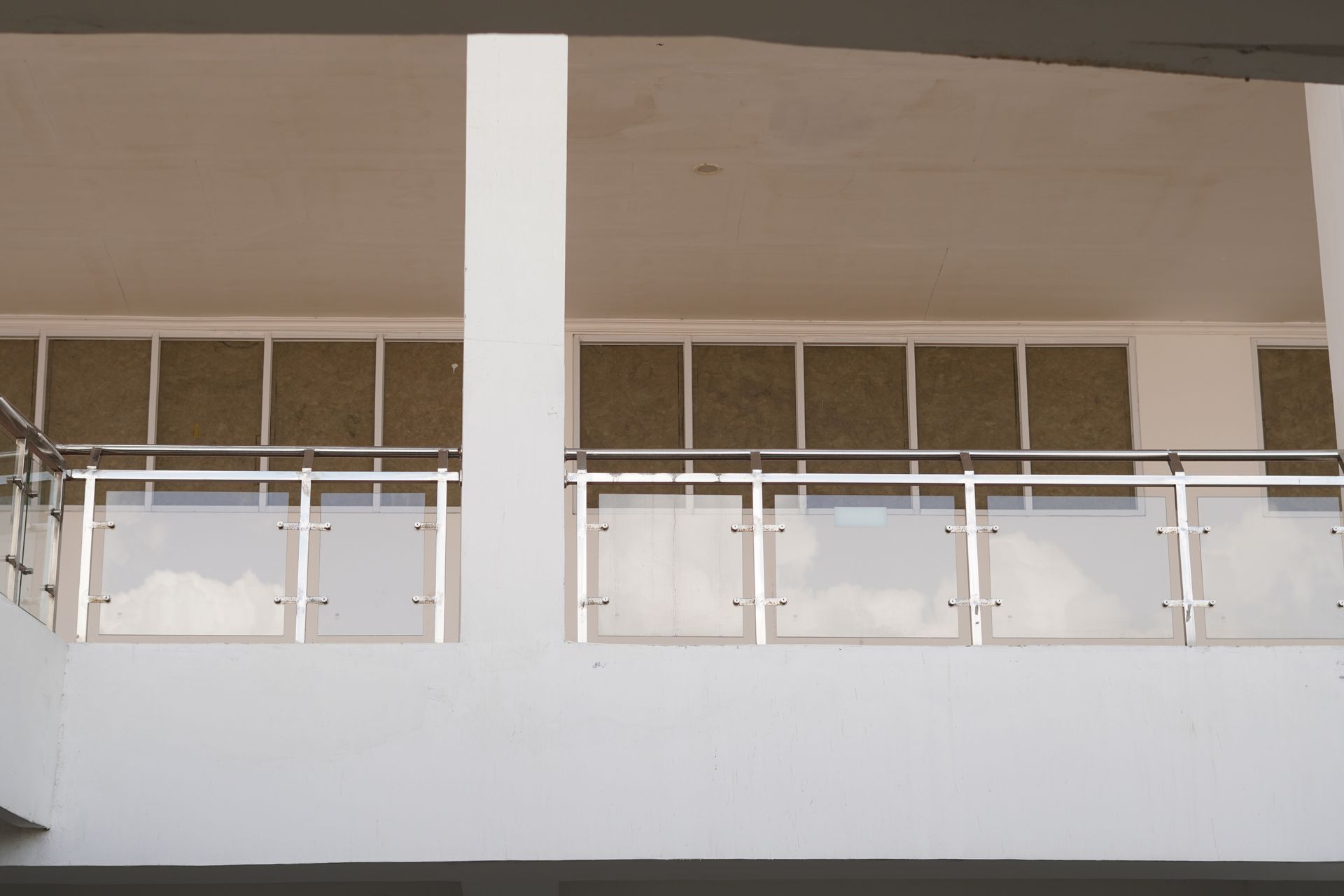
Commercial glass railings require regular maintenance to ensure continued performance, safety compliance, and visual clarity in Miami, Fort Lauderdale, & West Palm Beach, FL business environments.
Glass panels are cleaned using non-abrasive methods to remove smudges, dust, and environmental residue that accumulate in high-traffic spaces. Maintaining transparency is especially important in commercial properties where visual presentation and interior lighting play a role in customer experience.
Hardware components such as clamps, posts, and base channels are periodically inspected to ensure fasteners remain secure under continuous use conditions. Stainless steel and aluminum components are designed for durability but require routine checks in humid or coastal environments.
Sealant joints and structural connections are also evaluated for wear or movement, particularly in exterior applications exposed to rain, wind, and temperature fluctuations. Maintaining these connections helps preserve system stability and prevents long-term structural degradation.
With proper installation and ongoing maintenance, commercial glass railing systems remain structurally reliable and visually consistent, supporting safe and modern architectural environments across commercial properties in Miami, Fort Lauderdale, & West Palm Beach, FL