Mirror Installation Services Overview in Miami, Fort Lauderdale, & West Palm Beach, FL
Mirror installation involves the precise measurement, preparation, and secure mounting of glass mirrors onto interior and specialty surfaces in residential and commercial properties. In Miami, Fort Lauderdale, & West Palm Beach, FL, mirror installations are commonly used in bathrooms, living spaces, fitness studios, retail interiors, hospitality environments, and decorative architectural applications.
Unlike standard wall décor, mirrors require structural mounting methods that account for weight distribution, surface compatibility, and long-term adhesion performance. Installation typically involves evaluating wall conditions, selecting appropriate mounting systems, and aligning the mirror to ensure proper level positioning and secure attachment.
Mirrors serve both functional and architectural roles in interior environments. They are used to enhance visibility, improve lighting distribution, and support design symmetry in spaces ranging from compact residential rooms to large commercial interiors.
Types of Mirror Installations in Miami Gardens, FL
Mirror installation projects in Miami, Fort Lauderdale, & West Palm Beach, FL vary based on application, size, and design requirements. Each installation type requires different mounting techniques and structural considerations.
Wall-Mounted Residential Mirrors
Wall-mounted mirrors are commonly installed in residential bathrooms, bedrooms, hallways, and dressing areas. These mirrors are typically secured using adhesive bonding systems, mechanical clips, or hidden mounting brackets depending on wall material and mirror weight.
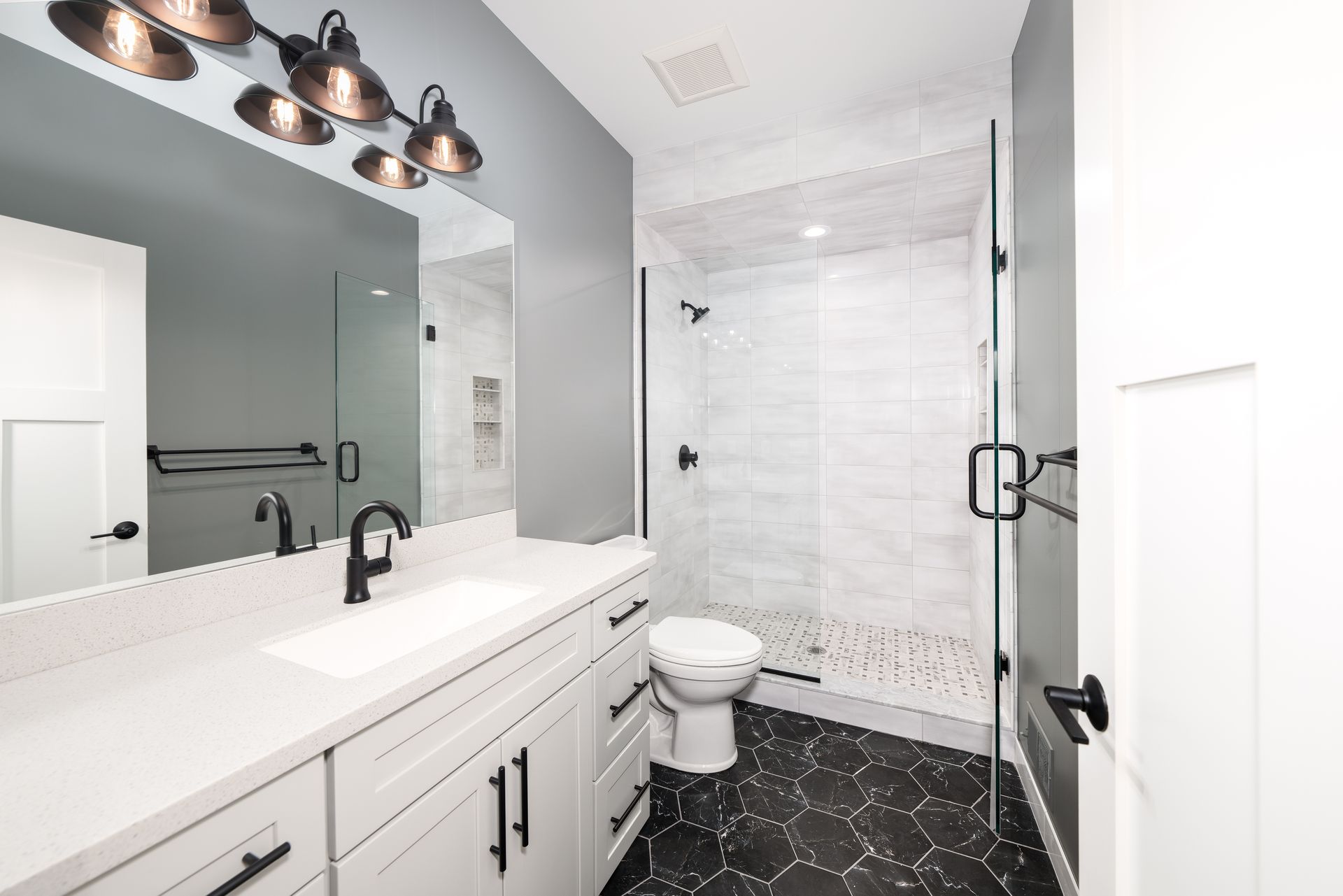
Bathroom installations often require moisture-resistant adhesives and sealed edges to prevent deterioration caused by humidity exposure. In bedrooms and hallways, larger decorative mirrors may be installed to enhance natural light and create a sense of expanded space.
Commercial and Retail Mirrors
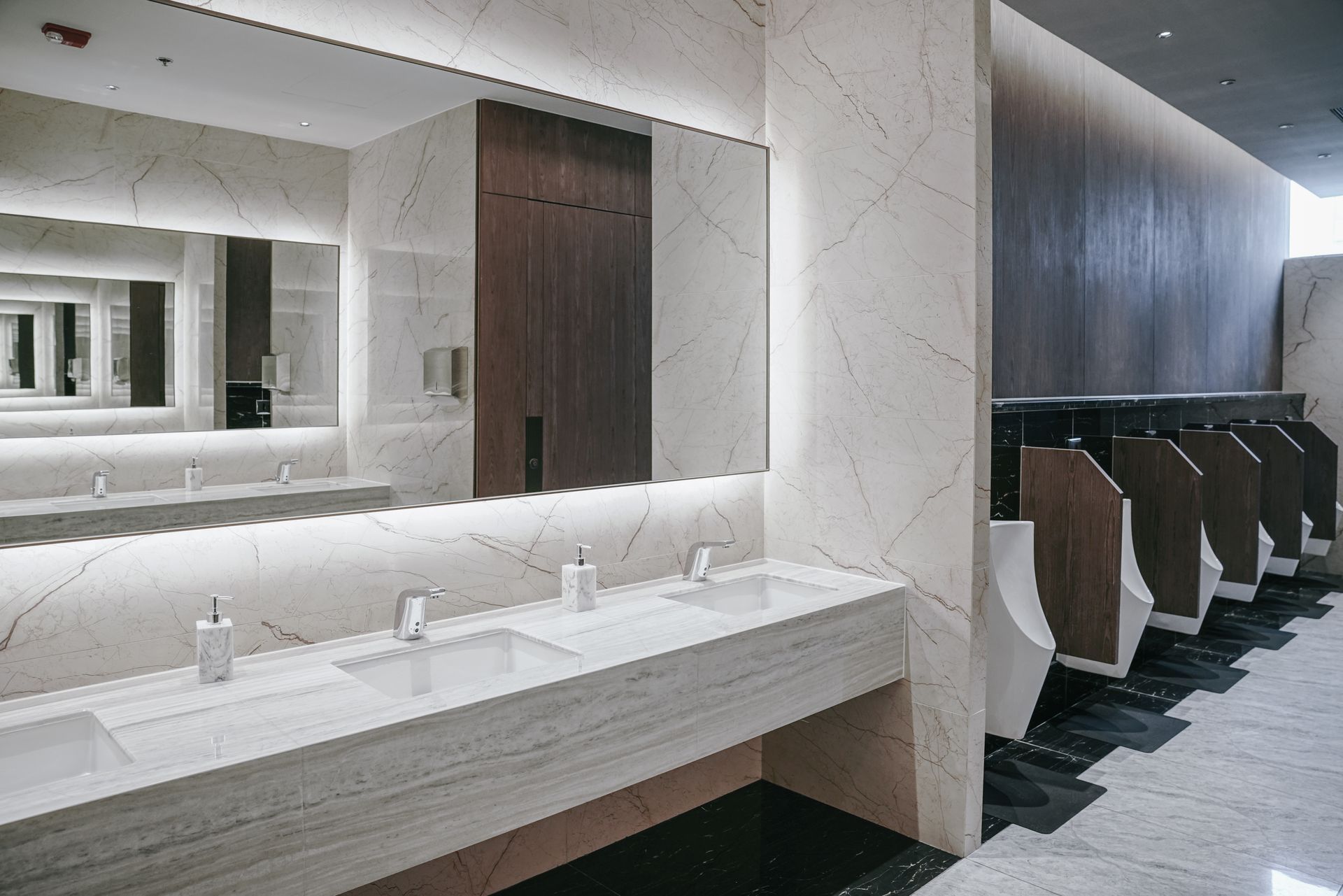
Commercial mirror installations are frequently used in retail stores, salons, gyms, and hospitality interiors. These mirrors are often larger in scale and may be installed in continuous wall panels or segmented layouts to cover expansive interior surfaces.
In fitness environments, mirrors are installed to provide full-body visibility across training areas, requiring precise alignment across long wall spans. In retail and hospitality spaces, mirrors are integrated into design features to enhance spatial perception and lighting distribution.
Custom Decorative Mirror Installations
Decorative mirror installations involve custom-cut glass shapes, framed designs, and specialty layouts that align with architectural styling. These mirrors are often installed in entryways, feature walls, and dining areas where visual impact is part of the interior design concept.
Custom installations may include beveled edges, tinted finishes, or segmented mirror panels arranged in geometric patterns. These configurations require careful alignment to maintain consistency across multiple mirrored surfaces.
Materials and Mirror Types Used in Installation
Mirror installations in Miami, Fort Lauderdale, & West Palm Beach, FL utilize different types of mirror materials and backing systems depending on application, environment, and design requirements.
Standard Silvered Glass Mirrors
Standard mirrors are made from glass coated with a reflective silver backing layer. These are commonly used in residential and commercial interiors for general-purpose applications such as bathrooms, closets, and dressing areas.
Moisture-Resistant Bathroom Mirrors
Bathroom mirrors are designed with protective backing layers that resist moisture penetration and prevent deterioration caused by humidity. These mirrors are essential in Miami, Fort Lauderdale, & West Palm Beach, FL where high humidity levels can affect standard mirror materials over time.
Safety Backed Mirrors
Safety-backed mirrors include an additional protective film applied to the back surface. This film helps hold the glass together in the event of breakage, reducing the risk of injury from falling shards. These mirrors are commonly used in gyms, schools, and commercial interiors.
Framed and Frameless Mirror Systems
Framed mirrors include decorative or structural edging materials such as metal, wood, or composite frames. Frameless mirrors are installed with polished edges and rely on concealed mounting systems for a clean, minimal appearance. Both types are selected based on interior design requirements and installation surface conditions.
Mirror Installation Process in Miami Gardens, FL
The mirror installation process begins with a detailed assessment of the installation surface, including wall material, structural support, and environmental conditions. Accurate measurements are taken to determine mirror dimensions and alignment requirements within the space.
Once planning is complete, the installation surface is prepared by cleaning and leveling the mounting area. For adhesive installations, surfaces must be free of dust, grease, and moisture to ensure proper bonding strength. For mechanical mounting systems, anchor points are marked and secured into wall studs or structural backing.
The mirror is then positioned using leveling tools to ensure precise alignment. Depending on the installation method, adhesives, brackets, or clips are used to secure the mirror in place. Larger mirrors may require temporary support during curing or fastening to maintain correct positioning.
Final adjustments are made to ensure that the mirror sits flush against the wall and aligns properly with surrounding architectural elements. Edge sealing may be applied in bathroom or moisture-prone environments to enhance durability and prevent water intrusion.
Structural and Safety Considerations for Mirror Installation
Mirror installations in Miami, Fort Lauderdale, & West Palm Beach, FL must account for structural stability, weight distribution, and long-term adhesion performance to ensure safe use in residential and commercial environments.
Wall conditions are evaluated to determine whether drywall, concrete, tile, or wood framing is present, as each surface requires different mounting methods. Proper anchoring into structural supports is essential for larger or heavier mirrors to prevent shifting or detachment over time.
In commercial environments, mirrors must also comply with safety considerations related to public use areas. Safety-backed glass is often required in gyms, studios, and high-traffic interiors to reduce risk in the event of accidental impact.
Environmental conditions such as humidity and temperature variation are also considered during installation planning. In Miami, Fort Lauderdale, & West Palm Beach, FL, moisture-resistant materials and adhesives are often used in bathrooms and coastal-influenced interiors to ensure long-term performance.
Maintenance and Long-Term Care of Installed Mirrors
After installation, mirrors require routine maintenance to preserve clarity, adhesion stability, and surface condition in Miami, Fort Lauderdale, & West Palm Beach, FL properties.
Mirror surfaces are cleaned using non-abrasive cleaners and soft cloths to prevent scratching and maintain reflective clarity. Regular cleaning helps remove fingerprints, dust, and moisture residue that can accumulate over time.
Mounted mirrors should be periodically inspected to ensure that adhesives, brackets, or clips remain secure. This is especially important for larger installations where weight distribution must remain stable over long periods of use.
In bathroom and high-humidity environments, edge seals should be checked to ensure they remain intact and prevent moisture from reaching the reflective backing layer. Maintaining these seals helps extend the lifespan of the mirror and preserve its reflective quality.
With proper installation methods and consistent maintenance, mirror systems remain a durable and visually enhancing interior feature in residential and commercial spaces throughout Miami, Fort Lauderdale, & West Palm Beach, FL.