Glass Railing Systems Overview in Miami, Fort Lauderdale, & West Palm Beach, FL
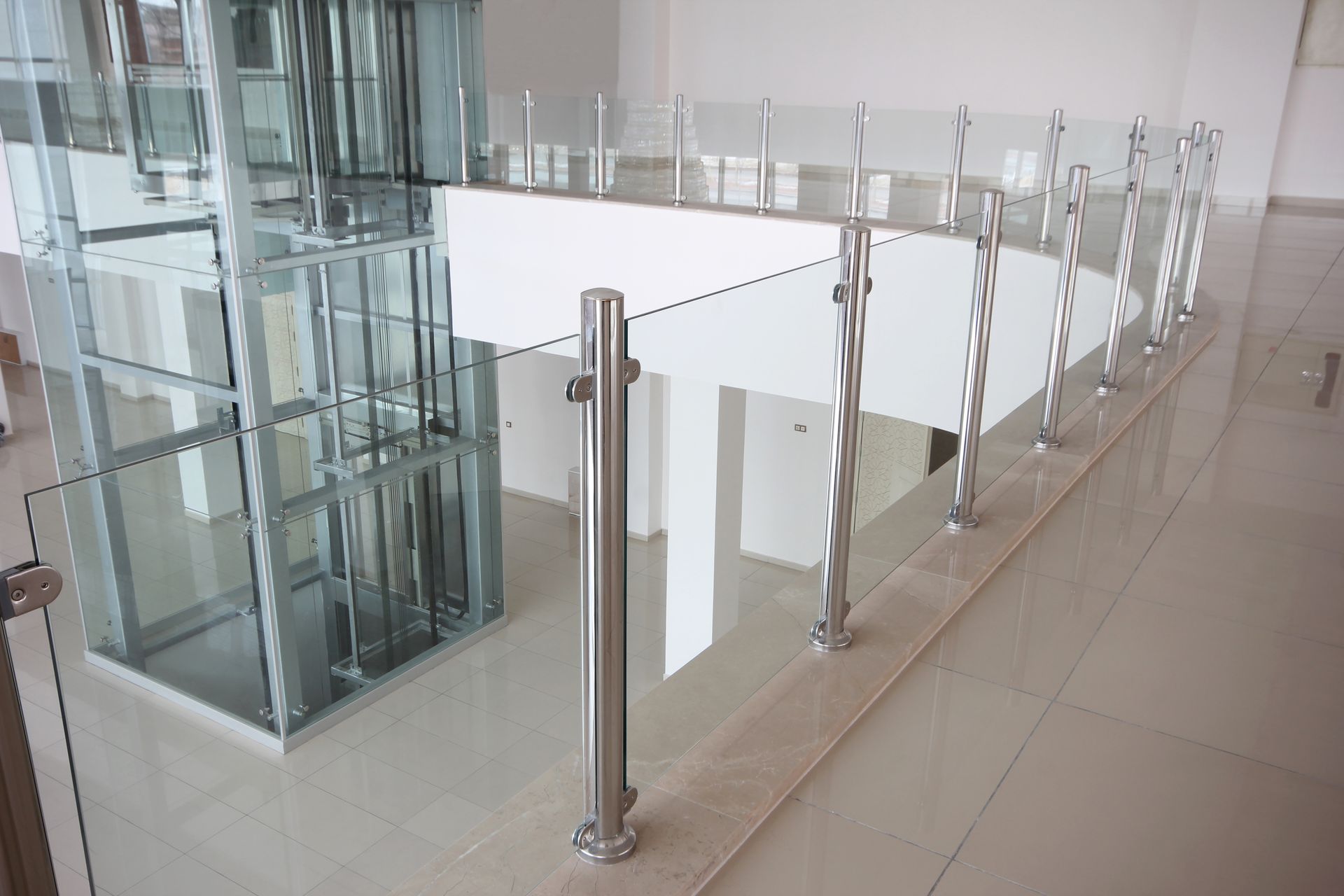
Glass railings are architectural systems designed to provide edge protection, spatial separation, and visual openness using tempered or laminated glass panels supported by metal or channel-based framing systems. In Miami, Fort Lauderdale, & West Palm Beach, FL , these systems are commonly used in residential, commercial, and multi-family properties where modern design and unobstructed sightlines are preferred.
A typical glass railing system consists of structural glass panels secured through base shoes, standoff fittings, or post-mounted clamps depending on the design requirements and building structure. The glass itself is engineered for load resistance and safety compliance, often using tempered or laminated safety glass that is designed to withstand impact and environmental pressure.
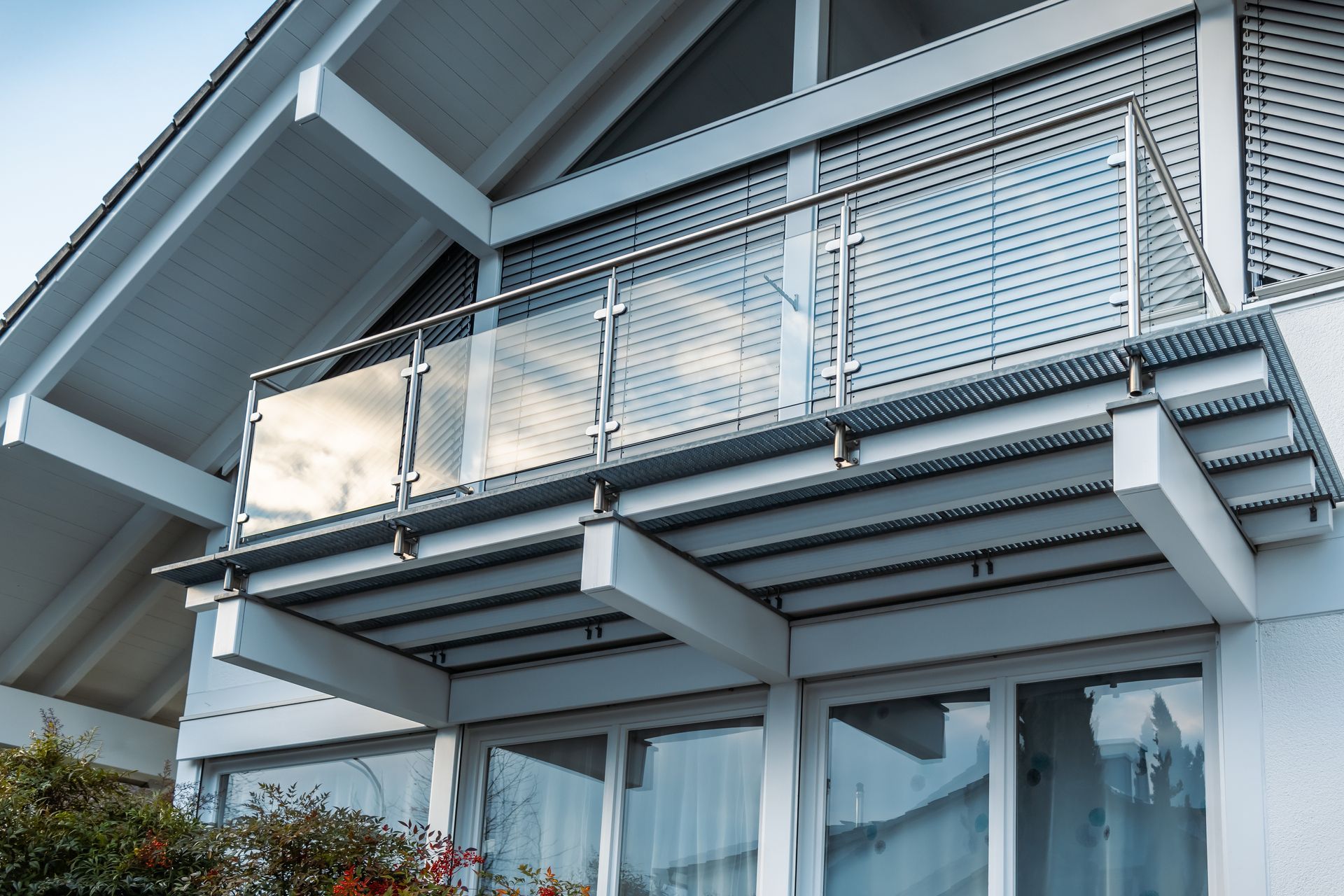
In interior environments, glass railings are frequently installed on staircases, loft edges, and mezzanine levels. In exterior settings, they are used for balconies, terraces, and pool surrounds where wind resistance and corrosion resistance are important considerations due to South Florida’s coastal climate conditions.
Types of Glass Railing Systems Installed
Glass railing systems can be configured in several structural styles depending on architectural intent, load requirements, and installation surface conditions. Each system varies in hardware exposure, glass support method, and visual transparency.
Frameless Glass Railing Systems
Frameless systems rely on a structural base channel or embedded track system that secures the glass at the bottom without visible vertical posts. The panels are typically thicker to compensate for the absence of intermediate supports. This configuration is commonly used in luxury residential balconies and modern commercial terraces where uninterrupted visibility is required.
Post-Mounted Glass Railings
Post-mounted systems use vertical metal posts, often made of stainless steel or aluminum, to secure glass panels with clamps or brackets. This method provides additional structural support and is often selected for areas exposed to high wind loads or where the substrate requires distributed load transfer.
Standoff Glass Railings
Standoff systems use circular or cylindrical hardware anchors that attach glass panels to the side of a structural surface such as concrete or steel framing. This design creates a floating appearance, often used in staircases and interior feature installations where visual lightness is desired.
Materials and Components Used in Glass Railings
Glass railing systems rely on a combination of engineered glass and structural hardware components designed for durability, safety, and environmental resistance. In Miami, Fort Lauderdale, & West Palm Beach, FL , material selection is especially important due to humidity, salt air exposure, and temperature variation.
Tempered Safety Glass
Tempered glass is heat-treated to increase strength and ensure that in the event of breakage, it fractures into small, less dangerous fragments. This type of glass is widely used in railing systems for both residential and commercial applications.
Laminated Glass Panels
Laminated glass consists of two or more layers of glass bonded with an interlayer, typically polyvinyl butyral (PVB) or ionoplast. This structure helps hold the glass together even when cracked, providing additional safety and sound reduction properties.
Stainless Steel and Aluminum Hardware
Support components such as base shoes, clamps, and standoff fittings are commonly manufactured from stainless steel or aluminum. These materials are selected for their corrosion resistance and structural reliability, especially in coastal environments like Miami, Fort Lauderdale, & West Palm Beach, FL .
Structural Base Channels
Base channels are continuous metal tracks anchored to concrete or steel substrates. They hold glass panels in place using friction fittings or epoxy-set systems, allowing for a clean and uninterrupted glass appearance without visible posts.
Installation Process for Glass Railings in Miami, Fort Lauderdale, & West Palm Beach, FL
The installation of glass railings involves precise measurement, structural evaluation, and hardware placement to ensure alignment and safety compliance. Each installation begins with site assessment to determine load-bearing capacity and anchoring feasibility.
Once measurements are finalized, base channels or mounting points are secured to the substrate using mechanical anchors or embedded fasteners. These components must be aligned accurately to ensure that glass panels sit level and maintain consistent spacing.
Glass panels are then positioned into place using suction lifting tools and inserted into the mounting system. Depending on the system type, epoxy, rubber gaskets, or compression fittings may be used to stabilize each panel. Final adjustments are made to ensure uniform vertical alignment and structural integrity across the entire railing run.
After installation, the system is inspected for movement tolerance, hardware torque levels, and panel spacing accuracy. Silicone sealing may be applied at connection points where water intrusion prevention is required, especially for exterior balcony installations exposed to heavy rainfall conditions in Miami, Fort Lauderdale, & West Palm Beach, FL
Structural and Building Code Considerations in Miami, Fort Lauderdale, & West Palm Beach, FL
Glass railing systems must comply with Florida Building Code requirements related to structural load resistance, impact safety, and barrier height regulations. These codes are particularly important in Miami, Fort Lauderdale, & West Palm Beach, FL due to wind exposure and hurricane-zone classification.
Railing systems are typically required to meet specific load ratings for both horizontal force and point impact resistance. Glass thickness, anchoring method, and support spacing are selected based on engineering calculations that account for live loads and environmental stress factors.
In exterior applications, wind load performance is a key consideration. Systems installed on elevated balconies or rooftop terraces must be engineered to withstand sustained wind pressure without panel deflection or hardware fatigue.
Interior installations, such as staircases and mezzanine railings, are evaluated primarily for fall protection compliance and structural anchoring integrity to ensure long-term stability under regular use conditions.
Maintenance and Long-Term Performance of Glass Railings
Glass railings require periodic maintenance to preserve clarity, structural stability, and hardware performance over time. In Miami, Fort Lauderdale, & West Palm Beach, FL , environmental exposure such as salt air, humidity, and rainfall can affect surface conditions and hardware longevity if not properly maintained.
Glass panels are typically cleaned using non-abrasive solutions to remove dust, water spots, and mineral buildup. Regular cleaning helps maintain transparency and prevents long-term surface etching caused by environmental contaminants.
Hardware components such as clamps, base channels, and standoff fittings may require periodic inspection to ensure fasteners remain secure and corrosion-free. Stainless steel components are designed for durability but still benefit from routine checks in coastal environments.
Sealant joints, where present, should be monitored for wear or separation. Maintaining these joints helps preserve water resistance in exterior installations and prevents moisture infiltration into structural anchoring systems.
Over time, properly installed glass railing systems maintain their structural integrity and visual clarity with consistent care, making them a long-term architectural feature in both residential and commercial properties across Miami, Fort Lauderdale, & West Palm Beach, FL